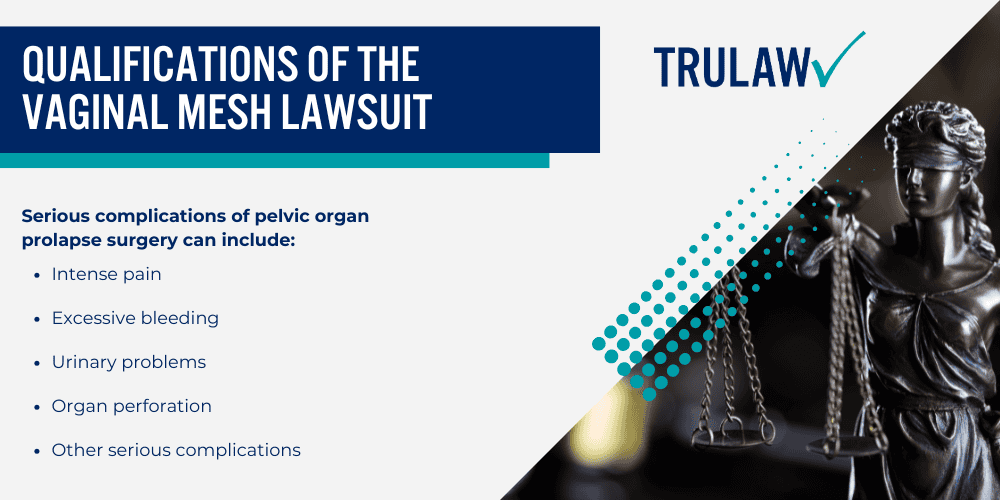
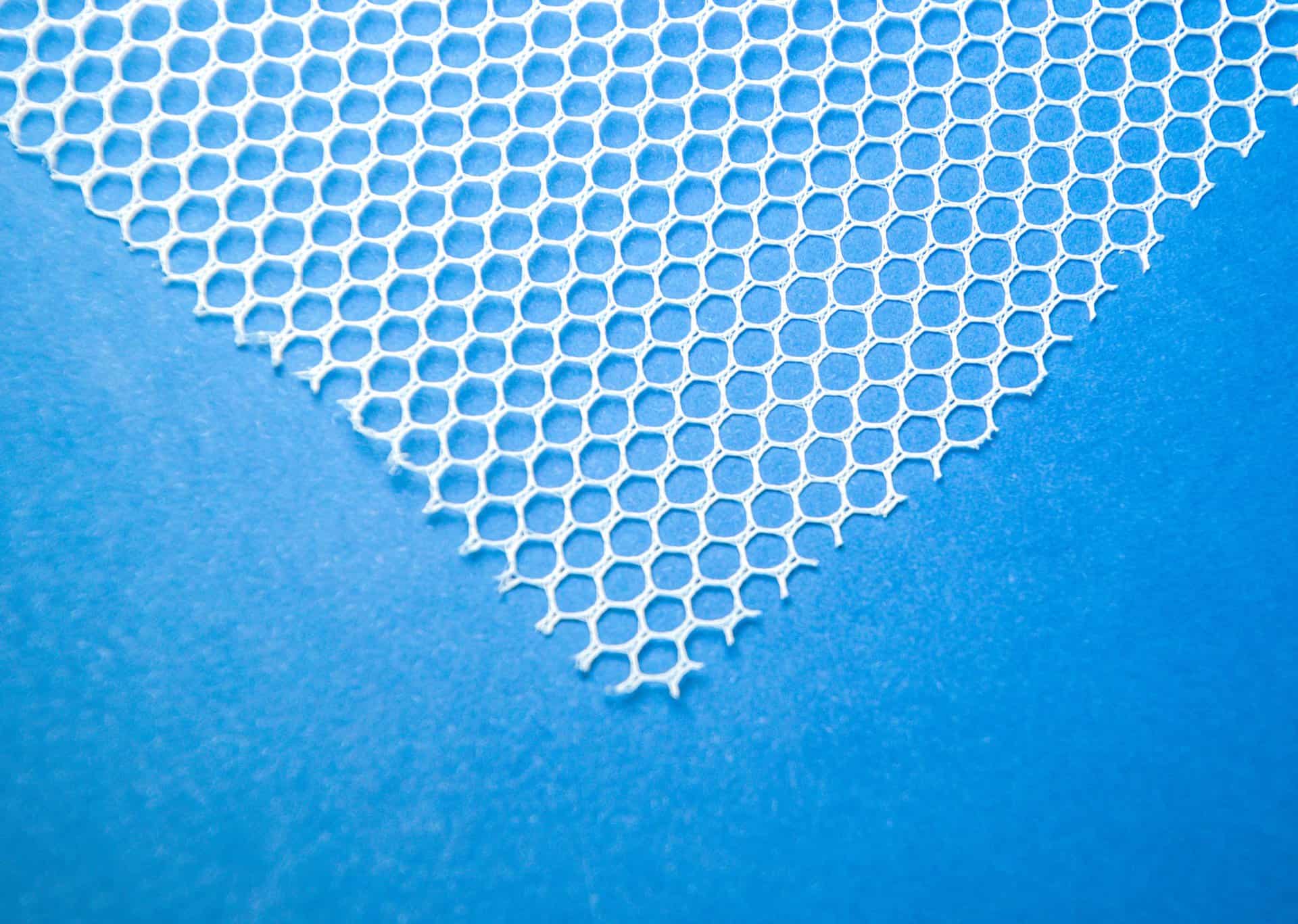
Vaginal mesh complications can lead to severe symptoms including chronic pelvic pain, organ perforation, and incontinence; diving into these issues helps reveal the truly distressing nature of vaginal mesh problems.
Pain, Bleeding, and Discomfort
Experiencing pain, bleeding, and discomfort can be a regular occurrence for women suffering from vaginal mesh problems.
The placement of the transvaginal mesh during pelvic organ prolapse repair might bring relief initially but sets the stage for chronic pelvic pain with time.
Daily routines may turn into laborious tasks as persistent discomfort becomes a constant reminder of the surgical mesh.
Spotting or vaginal bleeding signifies complications that need immediate attention.
Painful sexual intercourse, also known as dyspareunia, predominately occurs due to exposed mesh or erosion in the vaginal wall.
Frequently enduring such virulent conditions only adds stress to their physical health but also affects their mental well-being over time.
Organ Perforation
Organ perforation is a severe vaginal mesh problem with far-reaching implications for the patient’s health.
Transvaginal mesh, often used to treat conditions like pelvic organ prolapse and stress urinary incontinence, has unfortunately been associated with this serious complication.
The synthetic mesh can pierce or perforate organs such as the bladder or bowels during surgery or even years afterwards.
Such complications may lead to increased pain, infection risks and further surgical interventions, significantly impacting the patient’s quality of life.
It’s important to note that the risk of organ perforation isn’t just immediate post-surgery; it can also manifest much later making regular follow-ups crucial after undergoing procedures involving transvaginal mesh.
Incontinence and Urinary Problems
Experiencing incontinence and urinary problems is a common complication following transvaginal mesh surgery.
The implanted surgical mesh, intended to provide support for weakened pelvic organs, can sometimes lead to unwanted side effects such as stress urinary incontinence or voiding dysfunction.
Various factors contribute to these issues; however, one key issue relates to the potential erosion of synthetic mesh into the bladder, causing irritation and subsequent urinary problems including a frequent urge to urinate and painful urination.
In more severe cases, women may face complete loss of bladder control or recurrent urinary tract infections.
These complications impact daily life significantly requiring further treatment or potentially another surgery for mesh removal, adding physical discomfort and mental strain on patients already dealing with pelvic organ prolapse.
Erosion of Vaginal Tissue
Vaginal mesh erosion represents a significant complication in pelvic floor reconstructive surgery.
This problematic occurrence involves the surgical mesh material breaking through the vaginal tissue, leading to an array of distressing symptoms.
Women experiencing this issue may report feelings of tightness, pain during sexual activity, unusual bleeding or discharge, and urinary complications.
In multiple cases, infections related to the mesh have surfaced as a direct result of this erosion process.
Addressing these complications often necessitates further corrective procedures or even complete removal of the mesh device to alleviate discomfort and restore normal function.
Protrusion from the Vagina
Experiencing a sensation of something bulging or protruding from the vagina can be quite unsettling.
This is often a sign of vaginal mesh complications where part of the mesh becomes exposed or pushes through the tissue lining, leading to discomfort and possible infections.
Vaginal mesh extrusion can bring about this uncomfortable feeling during daily activities or even sexual intercourse.
Individuals dealing with this symptom may also notice other issues related to urinary problems and pelvic pain.
In some cases, vaginal mesh erosion leads to parts of it being visibly present in the vagina.
The presence of infection around these areas could worsen symptoms and increase feelings of protrusion in sufferers.
Coping with such conditions can affect one’s overall quality of life significantly, disrupting day-to-day activities while increasing mental stress due to ongoing discomfort.