The impact of SSDI lawsuits on benefits approval can be significant.
For example, class action settlements can have implications on SSDI benefit decisions.
Additionally, it’s important to consider how to protect Supplemental Security Income (SSI) benefits after a personal injury settlement.
This might include strategies like spending down settlement proceeds and setting up a special needs trust.
Overview of SSDI (Social Security Disability Insurance)
SSDI lawsuits, particularly those related to workers’ compensation and personal injury settlements, can have varying impacts on benefits approval.
Here are some key points to consider:
- Prompt reporting of these settlements to the SSA is crucial to prevent any potential negative impacts on your SSDI benefits.
- Strategies exist to minimize the offset amount of SSDI benefits, such as negotiating settlements that meet federal requirements and considering the timing of applying for disability benefits.
Eligibility for SSDI hinges on having a substantial enough employment history and meeting strict medical criteria set forth by the Social Security Administration (SSA).
Recipients are granted monthly benefits based on their previous income, reflecting their contributions to the system.
Receiving SSDI can make a significant difference in maintaining financial stability when facing long-term disability.
However, the application process presents serious challenges that may lead to denials, even with legitimate claims.
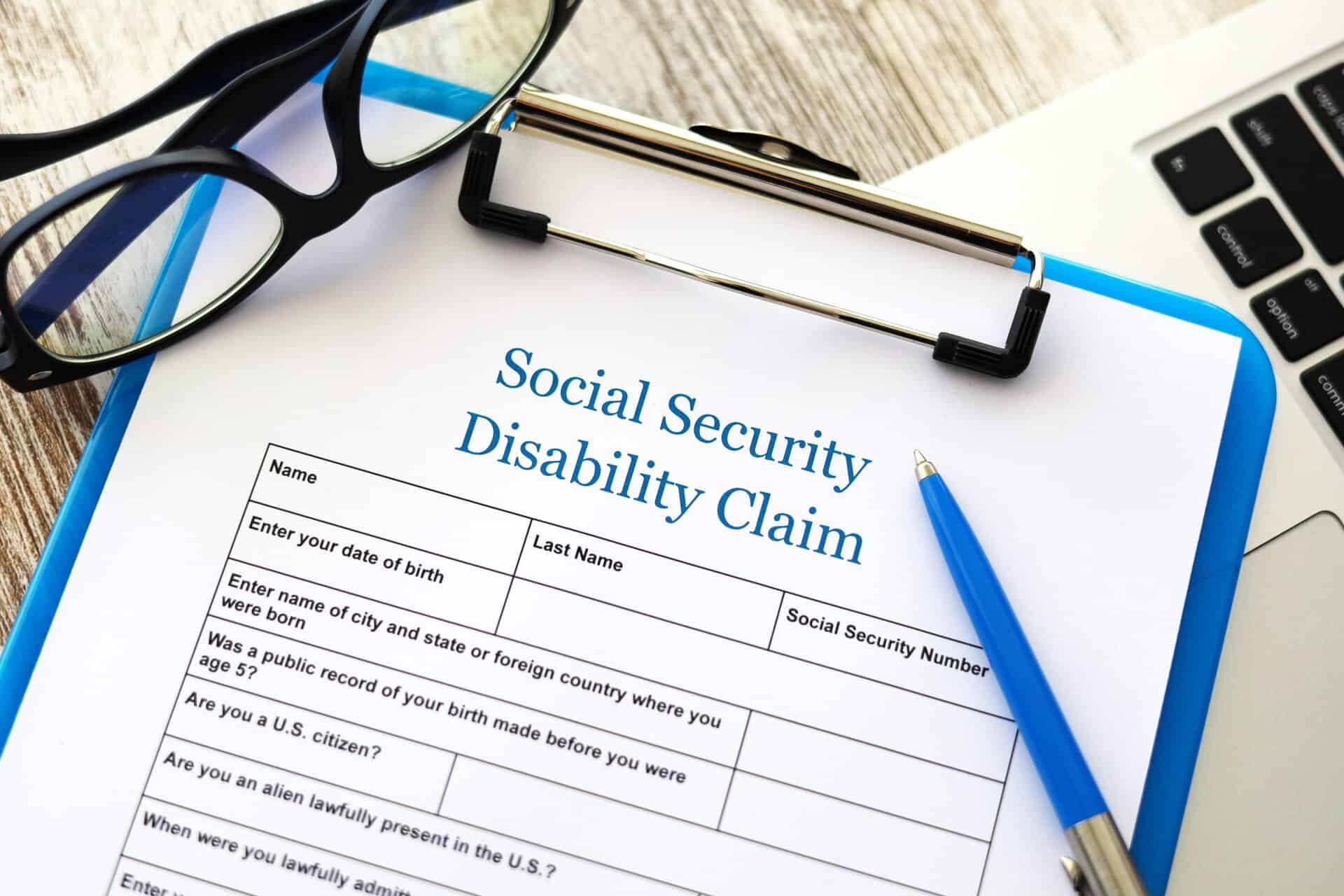
An approved application often involves intricate steps of providing comprehensive evidence demonstrating how one’s medical condition severely limits one’s ability to perform substantial gainful activity.
Given these complexities, legal representation is frequently sought after for both initial applications and subsequent appeals should an individual’s claim be initially turned down by SSA.
Importance of SSDI Benefits Approval
Securing SSDI benefits approval is crucial for individuals who are unable to work due to a severe disability.
These payments serve as a financial lifeline, assisting them with their basic living costs and medical care when earning an income isn’t possible.
The protective layer SSDI offers helps maintain stability in the lives of disabled workers, ensuring that despite their health challenges, they have the necessary support.
The intricacies of the Social Security Administration’s (SSA) application process for disability insurance benefits can be overwhelming.
However, the importance of securing these benefits underscores why many applicants turn to legal resources for assistance.
Approval means accessing resources meant to safeguard one’s well-being during difficult times, emphasizing that every application undergoes thorough review by administrative law judges who consider extensive medical records and other evidence before determining eligibility.
Common reasons for SSDI benefit denials
Many applicants face obstacles when seeking SSDI benefits.
Denials often occur for specific reasons that can be addressed with proper guidance.
The Social Security Administration often denies SSDI benefits due to various reasons, such as:
- Insufficient Medical Evidence: Without enough medical proof, the SSA cannot verify your disability. Submitting comprehensive records from acceptable medical sources is crucial.
- Non-Qualifying Disability: The Social Security Administration has strict definitions of disability. Your claim might be denied if your condition doesn’t meet these guidelines.
- Failure to Follow Prescribed Therapy: If you don’t follow the treatment ordered by your medical professional, the SSA may question if your condition could improve.
- Recent Work History Issues: SSDI eligibility depends on recent work credits. Inadequate work history can lead to a denial.
- Short-Term Disability Only: The SSA requires that a disability last or be expected to last at least 12 months or result in death; shorter-term conditions don’t qualify.
- Income Exceeds Limits: Earning more than the Substantial Gainful Activity amount can disqualify you from receiving benefits.
- Lack of Cooperation: Failing to cooperate with the SSA’s requests for information or for consultative exams can result in benefit denial.
- Prior Denial Not Appealed Appropriately: Sometimes applicants reapply instead of appealing a previous denial, which isn’t an effective strategy.
- Fraudulent Application Suspected: Any indication of deceit in your application may cause it to be dismissed immediately.
If you or a loved one are filing an SSDI application or appeal, contact TruLaw today using the chat on this page to receive an instant case evaluation.
Discover how the SSDI Lawyers within TruLaw’s legal network can help you today.