Testicular cancer, while relatively rare, is the most common cancer among young men aged 15-35.
The American Cancer Society estimates that about 9,190 new cases of testicular cancer will be diagnosed in the United States in 2023.
Research led by Mark Purdue, Ph.D., and colleagues at the Uniformed Services University found that higher blood concentrations of PFOS were linked to an elevated risk of developing testicular cancer among active-duty Air Force servicemen.
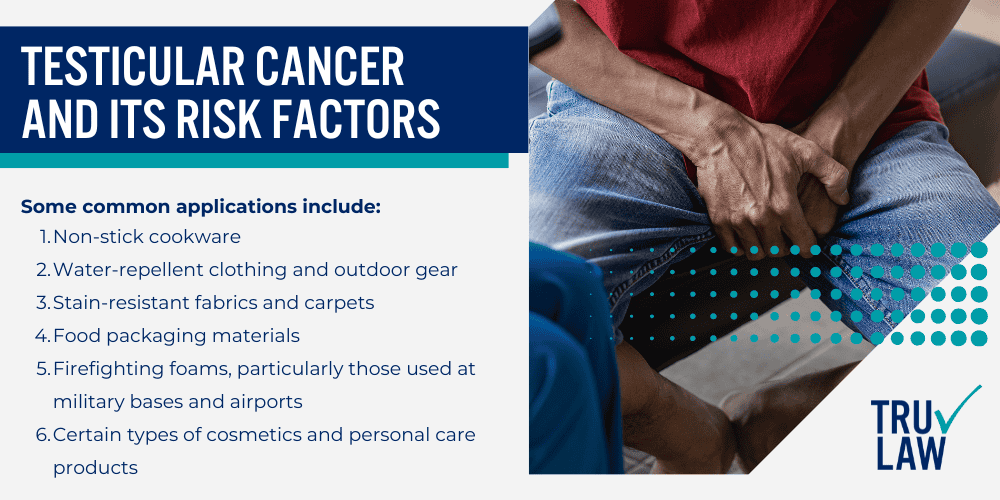
While the exact causes of testicular cancer remain unclear, several risk factors have been identified:
- Age (primarily affecting young and middle-aged men)
- Race (more common in white men)
- Cryptorchidism (undescended testicle)
- Family history of testicular cancer
- HIV infection
Recent studies have suggested that environmental factors, including exposure to certain chemicals like PFAS, may also play a role in the development of testicular cancer.
The Environmental Protection Agency (EPA) has identified PFAS as contaminants of emerging concern due to their potential health risks.
This connection has led to an increase in PFAS testicular cancer lawsuits as affected individuals seek compensation for their suffering.
Link Between PFAS Exposure and Testicular Cancer
Studies suggest a potential connection between PFAS exposure and testicular cancer risk.
Evidence supporting this link includes:
- Increased incidence of testicular cancer in areas with high PFAS contamination
- Animal studies showing PFAS-induced testicular tumors
- Epidemiological research indicates higher testicular cancer rates among populations with elevated PFAS exposure
While more research is needed, these findings have prompted legal action against PFAS manufacturers.
The Centers for Disease Control and Prevention (CDC) continues to study the health effects of PFAS exposure, including its potential role in testicular cancer development.
Symptoms and Early Detection of Testicular Cancer
Recognizing the symptoms of testicular cancer is crucial, especially for those who may have been exposed to PFAS.
Early detection can significantly improve treatment outcomes and strengthen PFAS testicular cancer lawsuit claims.
Common symptoms include:
- A painless lump or swelling in either testicle
- A feeling of heaviness in the scrotum
- A dull ache in the lower abdomen or groin
- Sudden accumulation of fluid in the scrotum
- Pain or discomfort in a testicle or the scrotum
Additional Health Concerns Related to PFAS Chemicals
PFAS exposure has been linked to various health problems beyond testicular cancer.
Other health issues potentially associated with PFAS exposure include:
- Kidney cancer
- Thyroid disease
- High cholesterol
- Liver damage
- Immune system dysfunction
- Developmental effects on fetuses and infants
These wide-ranging health concerns have led to increased scrutiny of PFAS chemicals and their use in consumer products.
The persistence of PFAS in the human body and the environment has earned them the moniker “forever chemicals,” highlighting the long-term risks associated with exposure.