TruLaw is no longer accepting clients for the AFFF Lawsuit.

AFFF Lawsuit Settlement Amounts & Payouts

100% free consultation
No out-of-pocket costs
No fee unless we win

Key Takeaways

  • AFFF firefighting foam lawsuits address health risks from PFAS chemicals, which have been linked to cancers and other conditions, leading affected individuals to seek compensation.

  • Settlement amounts range from $20,000 for moderate claims to over $1,000,000 for severe or fatal claims that are typically influenced by health severity, exposure duration, and quality of life impact.

  • High-risk groups like firefighters, military personnel, and airport workers frequently exposed to AFFF are primary plaintiffs seeking compensation for health issues from these toxic chemicals.

Key takeaways
Defendants
Injuries named in lawsuit
You may qualify to file a claim if...

Estimated AFFF Lawsuit Settlement Amounts & Payouts [December 2025 Projections]

AFFF lawsuit settlement amounts and payouts will vary widely and are expected to range from $20,000 to $1,000,000 or more based on the nature and severity of your illness, the extent of your exposure, and many other individualized aspects of your claim.

AFFF cancer lawsuits emerged in response to scientific evidence linking PFAS in firefighting foam to cancer.

On this page, we’ll provide an overview of AFFF lawsuit settlement amounts and payouts, high-risk groups for AFFF chemical exposure, factors influencing AFFF lawsuit settlement amounts, and much more.

IMPORTANT: The estimates and figures provided on this page are in no way a guarantee of the settlement values for the AFFF Lawsuit.

These estimates are generalized estimations based on average healthcare expenses, personal damages, and ongoing care costs based on historic settlements from similar litigations.

For a more accurate idea of what these settlement values could look like for you, it’s best to contact an experienced AFFF lawyer to discuss the specific details of your case.

You can do so by using the chat on this page for an instant case evaluation to quickly see if you are eligible to file an AFFF firefighting foam lawsuit.

AFFF Lawsuit Settlement Amounts and Payouts; High-Risk Groups for AFFF Chemical Exposure; Jobs with Frequent AFFF Exposure; Safety Guidelines for High-Risk Professionals; Factors Influencing AFFF Lawsuit Settlement Amounts; Severity of Health Impacts and Medical Costs; Duration and Extent of AFFF Exposure; Settlement Tiers in AFFF Lawsuits Explained; AFFF Lawsuit Settlement Tiers I, II, and III; How AFFF Settlement Amounts are Calculated; Criteria for Determining Compensation; Collecting Medical Records and Treatment Costs

Legal Experts Estimating AFFF Lawsuit Settlement Amounts & Payouts

The claims made in the AFFF MDL identify major defendants such as 3M Co., DuPont, Chemours, Tyco Fire Products, and other manufacturers of aqueous film-forming foam (AFFF) and its components.

The figures and estimates provided on this page are in no way a guarantee of the settlement values for the AFFF Lawsuit.

These estimates are generalized estimations based on average healthcare expenses, personal damages, and ongoing care costs based on historic settlements from similar litigations.

The AFFF Firefighting Foam MDL-2873 is constantly evolving, and we anticipate variability in potential case values as the lawsuit progresses.

While settlements are projected to vary, legal experts can estimate ranges based on previous rulings in similar chemical exposure litigations:

  • Tier III – Moderate Claims ($20,000 to $100,000): Plaintiffs who have experienced mild to moderate health complications, such as thyroid issues or elevated cholesterol linked to PFAS exposure.
  • Tier II – Severe Claims ($100,000 to $300,000): Cases involving serious health problems like kidney cancer, liver damage, or testicular cancer, which are strongly linked to prolonged PFAS exposure and require extensive medical treatment.
  • Tier I – Fatal Claims ($300,000 to $1,000,000 or more): Fatal or life-altering cases, such as wrongful death claims or cases involving multiple PFAS-related cancers, where significant loss of quality of life, economic hardship, or emotional suffering has occurred.

Legal experts providing estimates of the AFFF settlements may also consider pursuing punitive damages if manufacturers are found to have acted recklessly by not disclosing the risks of exposure to these harmful chemicals.

These figures are not guaranteed and should not be considered definitive expectations for your case.

We aim to provide a general idea of what settlement ranges could look like.

If you or a loved one were diagnosed with cancer after being exposed to AFFF, you may be eligible to seek compensation.

Contact TruLaw using the chat on this page to receive an instant case evaluation that can determine if you qualify to join others in filing a claim in the AFFF MDL today.

AFFF Lawsuit Settlement Amounts and Payouts; High-Risk Groups for AFFF Chemical Exposure; Jobs with Frequent AFFF Exposure; Safety Guidelines for High-Risk Professionals; Factors Influencing AFFF Lawsuit Settlement Amounts; Severity of Health Impacts and Medical Costs; Duration and Extent of AFFF Exposure; Settlement Tiers in AFFF Lawsuits Explained; AFFF Lawsuit Settlement Tiers I, II, and III; How AFFF Settlement Amounts are Calculated; Criteria for Determining Compensation; Collecting Medical Records and Treatment Costs

High-Risk Groups for AFFF Chemical Exposure

Certain professions face a significantly higher risk of occupational exposure to aqueous film-forming foam (AFFF), a firefighting foam that contains per- and polyfluoroalkyl substances (PFAS), often referred to as “forever chemicals.” PFAS are linked to serious health conditions, including cancers, liver and kidney damage, and reproductive issues.
High-Risk Groups for AFFF Chemical Exposure

AFFF is commonly used in firefighting operations, particularly for high-temperature fuel fires.

Due to the persistent nature of PFAS, individuals in certain professions are more likely to experience harmful levels of exposure over time, especially without proper safety measures.

Jobs with Frequent AFFF Exposure

Professionals who regularly work with AFFF are at higher risk of PFAS exposure.

These groups often encounter the foam in training exercises, active firefighting, and equipment maintenance, which increases their likelihood of absorbing PFAS through skin contact, inhalation, and contamination of local water supplies.

Individuals in these professions who have been exposed to AFFF and subsequently developed cancer may have legal claims against the manufacturers responsible for their exposure.
High-Risk Groups for AFFF Chemical Exposure; Jobs with Frequent AFFF Exposure

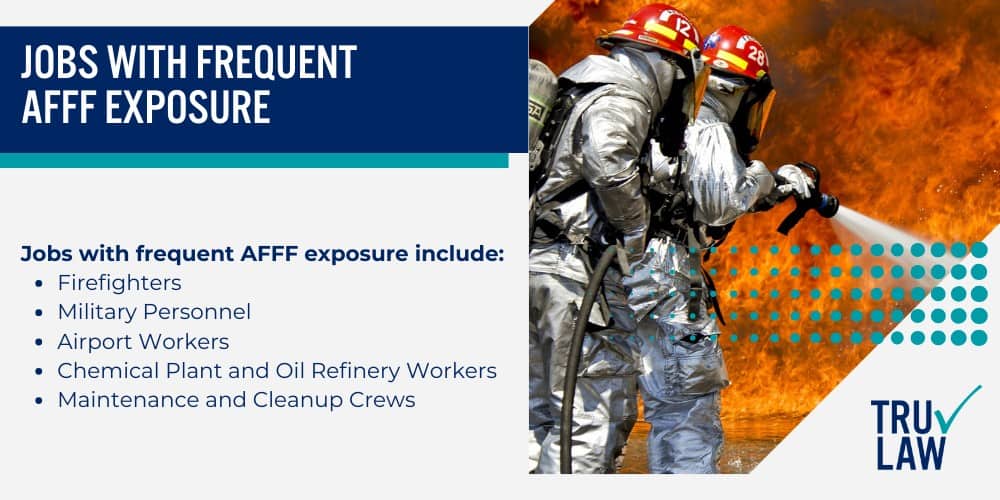
Jobs with frequent AFFF exposure include:

  • Firefighters: Municipal, airport, and industrial firefighters regularly use AFFF in training exercises and in emergencies, putting them at direct risk of repeated exposure.
  • Military Personnel: Service members, particularly those on military bases or in aviation units, encounter AFFF due to its use in firefighting and aircraft hangar fire suppression systems.
  • Airport Workers: Firefighting foam is commonly used at airports to manage fuel fires, exposing airport fire crews and other personnel working near firefighting operations to PFAS.
  • Chemical Plant and Oil Refinery Workers: Employees in industries prone to high-temperature fires, such as oil refineries, chemical plants, and power stations, may use AFFF, increasing exposure risk.
  • Maintenance and Cleanup Crews: Individuals responsible for handling or cleaning up AFFF spills or residues are at high risk due to prolonged and frequent contact with contaminated equipment and areas.

These professions are particularly vulnerable to PFAS exposure from AFFF, making safety protocols essential to mitigate health risks.

Safety Guidelines for High-Risk Professionals

For professionals regularly handling or exposed to AFFF, following specific safety guidelines can help minimize PFAS exposure and protect long-term health.

Employers and workers should implement and adhere to these safety practices to reduce the potential hazards associated with firefighting foam.
High-Risk Groups for AFFF Chemical Exposure; Jobs with Frequent AFFF Exposure; Safety Guidelines for High-Risk Professionals

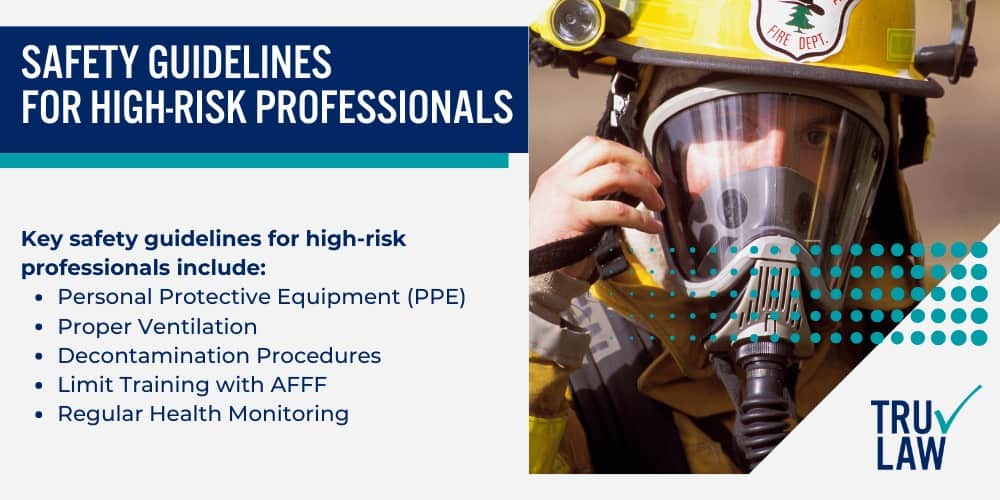
Key safety guidelines for high-risk professionals include:

  • Personal Protective Equipment (PPE): Always wear appropriate PPE, gloves, goggles, and protective suits to limit direct skin and eye contact with AFFF during use or cleanup.
  • Proper Ventilation: Ensure workspaces are well-ventilated to minimize inhalation exposure to AFFF vapors, particularly in enclosed areas or during training exercises.
  • Decontamination Procedures: After using AFFF, follow thorough decontamination protocols to remove PFAS residues from skin, gear, and equipment, including specialized cleaning for firefighting gear.
  • Limit Training with AFFF: To reduce exposure during routine training exercises, substitute AFFF with PFAS-free foams or virtual training simulations when possible.
  • Regular Health Monitoring: High-risk professionals should undergo routine health screenings to monitor for PFAS-related conditions, enabling early intervention if health issues arise.

Adhering to these guidelines can help reduce the risks associated with repeated AFFF exposure, promoting the safety and well-being of professionals in high-risk roles.

Employers and industry bodies should also stay updated on PFAS-free alternatives to further safeguard employees from the harmful effects of PFAS in firefighting foam.

If you or a loved one were diagnosed with cancer after being exposed to AFFF, you may be eligible to seek compensation.

Contact TruLaw using the chat on this page to receive an instant case evaluation that can determine if you qualify to join others in filing a claim in the AFFF MDL today.
Factors Influencing AFFF Lawsuit Settlement Amounts

AFFF litigation may be influenced by several factors, such as the severity of health impacts, the cost of medical treatment, and the extent of PFAS exposure.

The ongoing legal processes and expected payout tiers are crucial, with settlements often reflecting the severity of the plaintiffs’ cases.

High-Risk Groups for AFFF Chemical Exposure; Jobs with Frequent AFFF Exposure; Safety Guidelines for High-Risk Professionals; Factors Influencing AFFF Lawsuit Settlement Amounts

Plaintiffs seek compensation for damages incurred due to AFFF-related health issues, such as cancer, organ damage, and related medical expenses.

Severity of Health Impacts and Medical Costs

The type and severity of health issues experienced due to AFFF exposure are primary factors in calculating settlement amounts and determining eligibility for financial compensation.

Plaintiffs with serious, life-threatening conditions, such as kidney, liver, or testicular cancer, may receive higher compensation than those with non-cancerous conditions, as the physical, emotional, and financial burdens are typically more significant.

High-Risk Groups for AFFF Chemical Exposure; Jobs with Frequent AFFF Exposure; Safety Guidelines for High-Risk Professionals; Factors Influencing AFFF Lawsuit Settlement Amounts; Severity of Health Impacts and Medical Costs

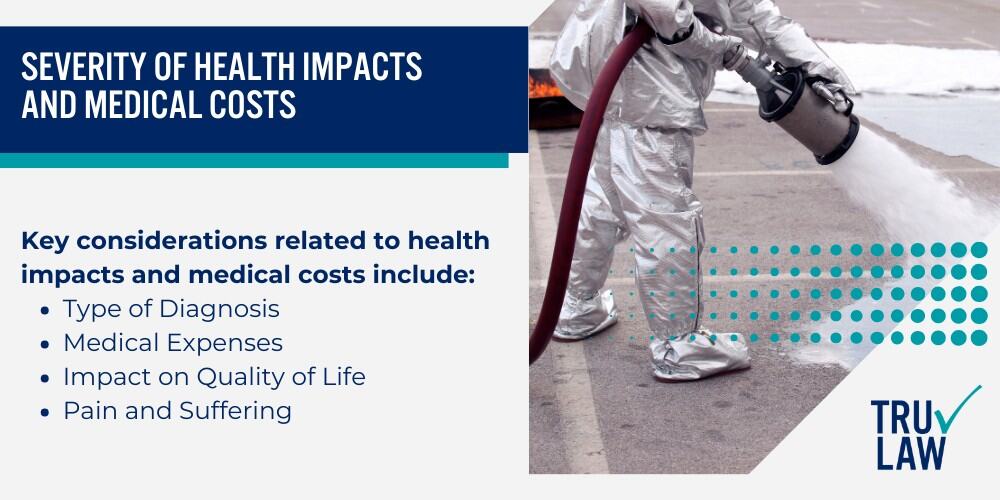
Key considerations related to health impacts and medical costs include:

  • Type of Diagnosis: Individuals diagnosed with cancers strongly linked to PFAS, such as kidney or testicular cancer, may see higher settlement offers due to the severity of these illnesses.
  • Medical Expenses: Past, present, and anticipated future medical bills related to treatments, hospitalizations, and medications are crucial for estimating settlement amounts.
  • Impact on Quality of Life: How a health condition impacts daily life, work, and personal relationships can also affect settlement amounts.
  • Pain and Suffering: Damages for physical pain, mental distress, and emotional suffering due to long-term health issues are often included when severe illness or debilitating side effects are involved.

By documenting these aspects of their health impact, plaintiffs can present a stronger case for fair compensation that fully addresses the effects of AFFF exposure on their lives.

Duration and Extent of AFFF Exposure

The length and frequency of AFFF exposure significantly influence settlement amounts, as prolonged exposure to PFAS compounds raises the risk of adverse health outcomes.

In AFFF firefighting foam cases, plaintiffs, including military personnel and civilians near contaminated sites, are eligible to file lawsuits.

Experienced attorneys play an important role in pursuing compensation for serious health issues linked to AFFF exposure.

Plaintiffs with extended or high-intensity exposure may be able to demonstrate a clear link between their health conditions and AFFF, which strengthens their claim and may result in higher compensation.

High-Risk Groups for AFFF Chemical Exposure; Jobs with Frequent AFFF Exposure; Safety Guidelines for High-Risk Professionals; Factors Influencing AFFF Lawsuit Settlement Amounts; Severity of Health Impacts and Medical Costs; Duration and Extent of AFFF Exposure

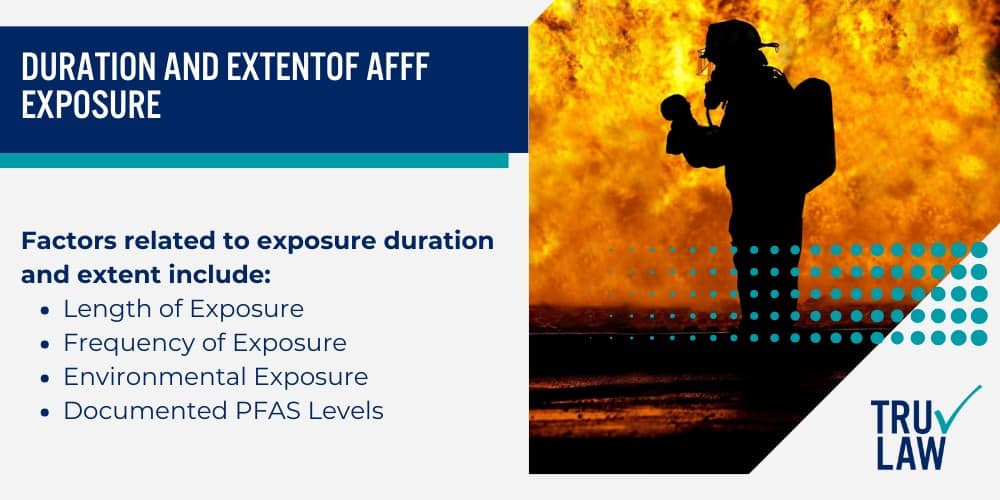
Factors related to exposure duration and extent include:

  • Length of Exposure: Plaintiffs who worked in high-risk environments (such as firefighting, military, or industrial settings) for long periods typically have more substantial claims due to prolonged PFAS exposure.
  • Frequency of Exposure: Frequent exposure to AFFF, whether through training, firefighting, or cleanup efforts, further supports a case for health risks associated with PFAS, often resulting in higher settlements.
  • Environmental Exposure: Some plaintiffs may also have been exposed indirectly through contaminated water or soil in areas near military bases, airports, or industrial sites, broadening the basis for claims even if they didn’t directly handle AFFF.
  • Documented PFAS Levels: Blood tests showing high PFAS levels provide concrete evidence of exposure, which can strengthen the claim and positively impact settlement amounts.

Settlement amounts in AFFF lawsuits are highly individualized, as they depend on each plaintiff’s unique exposure history and health impact.

Legal professionals specializing in chemical exposure litigation can help plaintiffs understand these factors, maximize compensation, and build a case that accurately reflects the harm caused by AFFF exposure.

If you or a loved one were diagnosed with cancer after being exposed to AFFF, you may be eligible to seek compensation.

Contact TruLaw using the chat on this page to receive an instant case evaluation that can determine if you qualify to join others in filing a claim in the AFFF MDL today.
Settlement Tiers in AFFF Lawsuits Explained

AFFF (aqueous film-forming foam) lawsuits involve claims that exposure to PFAS chemicals in firefighting foam causes severe health complications, including cancers and organ damage.

Firefighting foam cancer lawsuits are part of ongoing litigation, with eligibility criteria focusing on individuals affected by AFFF foam exposure, such as military personnel and residents near contaminated sites.

High-Risk Groups for AFFF Chemical Exposure; Jobs with Frequent AFFF Exposure; Safety Guidelines for High-Risk Professionals; Factors Influencing AFFF Lawsuit Settlement Amounts; Severity of Health Impacts and Medical Costs; Duration and Extent of AFFF Exposure; Settlement Tiers in AFFF Lawsuits Explained

Settlement amounts in AFFF lawsuits are often structured in tiers, with compensation varying based on the severity of health conditions, documented exposure, and the impact of the injuries on the plaintiff’s life.

Settlement tiers help categorize cases, ensuring that compensation aligns with the degree of harm suffered.

AFFF Lawsuit Settlement Tiers I, II, and III

Settlement tiers in firefighting foam lawsuits offer a general framework for evaluating compensation based on case specifics.

These lawsuits discuss various aspects of legal actions related to AFFF exposure, including the types of cases with higher probabilities of success, expected settlement amounts, and the complexity of determining liability among numerous manufacturers.

High-Risk Groups for AFFF Chemical Exposure; Jobs with Frequent AFFF Exposure; Safety Guidelines for High-Risk Professionals; Factors Influencing AFFF Lawsuit Settlement Amounts; Severity of Health Impacts and Medical Costs; Duration and Extent of AFFF Exposure; Settlement Tiers in AFFF Lawsuits Explained; AFFF Lawsuit Settlement Tiers I, II, and III

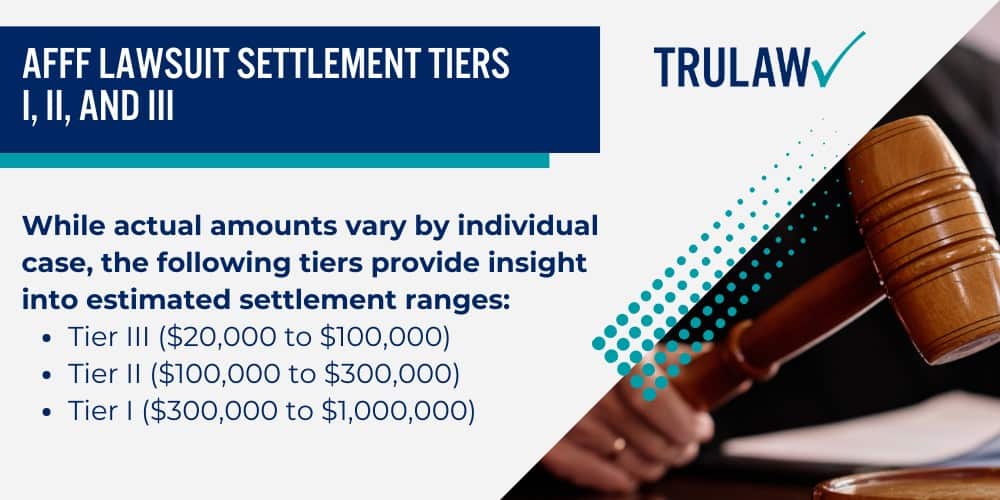
While actual amounts vary by individual case, the following tiers provide insight into estimated settlement ranges:

  • Tier III ($20,000 to $100,000): This tier typically includes cases with less severe health impacts, such as elevated cholesterol, mild thyroid issues, or other non-life-threatening conditions.
  • Tier II ($100,000 to $300,000): This middle tier generally applies to plaintiffs who have experienced moderate to severe health conditions, such as kidney or liver damage, hypertension, or thyroid disease linked to prolonged PFAS exposure.
  • Tier I ($300,000 to $1,000,000): The highest settlement tier is reserved for cases involving severe, life-threatening cancers (e.g., kidney cancer, testicular cancer, pancreatic cancer) or wrongful death claims.

These settlement tiers serve as guidelines, with actual payouts depending on the specifics of each plaintiff’s exposure, medical expenses, and long-term health outlook.

Working with experienced attorneys ensures plaintiffs’ cases are accurately evaluated and positioned to maximize compensation.

Research Linking AFFF to Various Forms of Cancer

Extensive research has linked PFAS chemicals in AFFF to several types of cancer and other serious health conditions.

Studies indicate that PFAS compounds, known as “forever chemicals” due to their persistence in the environment and human body, may accumulate over time and disrupt cellular processes, leading to cancerous growth.

The scientific findings around AFFF and PFAS exposure support the claims in many lawsuits, as they highlight significant health risks posed by these chemicals.

The ongoing AFFF firefighting foam MDL (multi-district litigation) process provides insights into the legal battles over these toxic chemicals, with various cancer types linked to AFFF exposure impacting lawsuit settlement amounts.

Major manufacturers are involved, and bellwether trials are anticipated.

Key findings from research on PFAS and cancer include:

  • Kidney Cancer: Studies have shown a strong correlation between PFAS exposure and kidney cancer, particularly among individuals with prolonged AFFF exposure, such as firefighters and military personnel.
  • Testicular Cancer: Testicular cancer has been strongly associated with PFAS exposure in occupational and environmental settings, with AFFF being a significant source for high-risk groups.
  • Pancreatic and Liver Cancer: PFAS chemicals are known to affect liver function, increasing the risk of liver and pancreatic cancers in individuals with high or prolonged exposure.
  • Thyroid Disease and Immune System Effects: Although not cancer, thyroid disorders and weakened immune function are additional risks linked to PFAS, which can contribute to overall health decline.

This research substantiates many of the claims in AFFF lawsuits, providing a foundation for understanding the serious health risks associated with PFAS exposure and supporting plaintiffs’ demands for compensation.

If you or a loved one were diagnosed with cancer after being exposed to AFFF, you may be eligible to seek compensation.

Contact TruLaw using the chat on this page to receive an instant case evaluation that can determine if you qualify to join others in filing a claim in the AFFF MDL today.
How AFFF Settlement Amounts are Calculated

Calculating settlement amounts in AFFF lawsuits involves a thorough evaluation of each plaintiff’s individual circumstances, including health impact, medical costs, and duration of PFAS exposure.

Compensation aims to cover both economic and non-economic losses, addressing the financial and personal toll of health conditions related to AFFF exposure.

High-Risk Groups for AFFF Chemical Exposure; Jobs with Frequent AFFF Exposure; Safety Guidelines for High-Risk Professionals; Factors Influencing AFFF Lawsuit Settlement Amounts; Severity of Health Impacts and Medical Costs; Duration and Extent of AFFF Exposure; Settlement Tiers in AFFF Lawsuits Explained; AFFF Lawsuit Settlement Tiers I, II, and III; How AFFF Settlement Amounts are Calculated

Individuals affected by AFFF firefighting foam exposure are encouraged to file an AFFF lawsuit to seek compensation for related health issues, particularly cancer, and to consult with experienced lawyers for personalized guidance.

For plaintiffs affected by cancers and other severe illnesses linked to PFAS, settlement amounts reflect the severity and persistence of health issues as well as long-term care needs.

Criteria for Determining Compensation

Several key criteria are used to assess and calculate AFFF settlement amounts, ensuring that compensation aligns with each plaintiff’s specific losses and suffering.

These criteria help standardize settlement values while considering individual variations in health impacts.

High-Risk Groups for AFFF Chemical Exposure; Jobs with Frequent AFFF Exposure; Safety Guidelines for High-Risk Professionals; Factors Influencing AFFF Lawsuit Settlement Amounts; Severity of Health Impacts and Medical Costs; Duration and Extent of AFFF Exposure; Settlement Tiers in AFFF Lawsuits Explained; AFFF Lawsuit Settlement Tiers I, II, and III; How AFFF Settlement Amounts are Calculated; Criteria for Determining Compensation

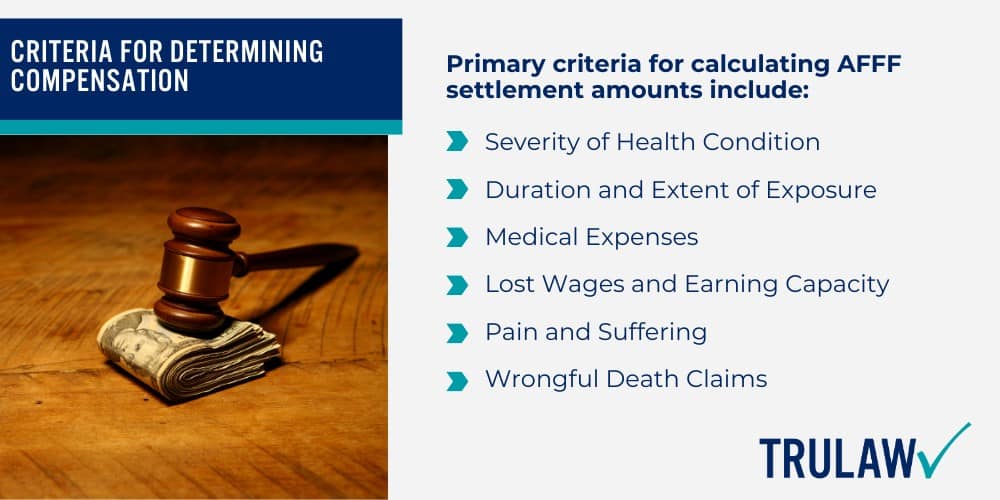
Primary criteria for calculating AFFF settlement amounts include:

  • Severity of Health Condition: Life-threatening or debilitating illnesses such as kidney or testicular cancer typically result in higher compensation than less severe conditions.
  • Duration and Extent of Exposure: Plaintiffs with prolonged exposure to AFFF, especially those in high-risk professions like firefighting, generally have stronger claims and may receive higher payouts.
  • Medical Expenses: Compensation includes past and future medical costs related to diagnosis, treatment, and ongoing care.
  • Lost Wages and Earning Capacity: Plaintiffs who lost income or could not work due to their health conditions may receive compensation for lost wages and diminished future earning capacity if their illness led to disability.
  • Pain and Suffering: Non-economic damages account for the physical and emotional distress associated with chronic health issues or cancer, impacting a plaintiff’s overall well-being and quality of life.
  • Wrongful Death Claims: In cases involving fatalities, family members may file wrongful death claims, seeking compensation for the loss of companionship, funeral expenses, and the financial support the deceased provided.

These criteria provide a structured approach to determining AFFF settlement amounts, helping ensure that plaintiffs receive compensation that accurately reflects their specific losses.

Collecting Medical Records and Treatment Costs

Collecting detailed medical records and treatment costs is crucial for building a strong AFFF claim and supporting compensation calculations.

Medical documentation substantiates the health impacts of PFAS exposure and provides an itemized view of treatment-related expenses, strengthening the case for adequate compensation.

High-Risk Groups for AFFF Chemical Exposure; Jobs with Frequent AFFF Exposure; Safety Guidelines for High-Risk Professionals; Factors Influencing AFFF Lawsuit Settlement Amounts; Severity of Health Impacts and Medical Costs; Duration and Extent of AFFF Exposure; Settlement Tiers in AFFF Lawsuits Explained; AFFF Lawsuit Settlement Tiers I, II, and III; How AFFF Settlement Amounts are Calculated; Criteria for Determining Compensation; Collecting Medical Records and Treatment Costs

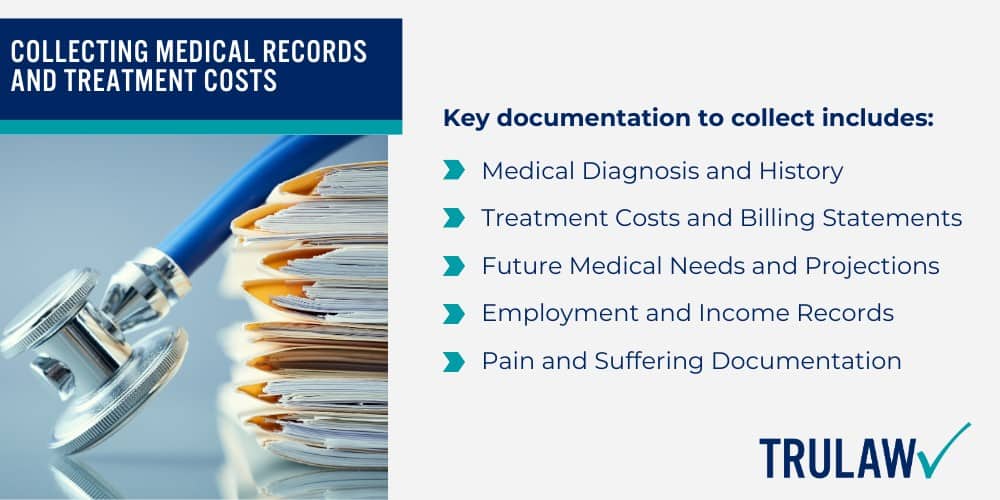
Key documentation to collect includes:

  • Medical Diagnosis and History: Gather records confirming diagnoses of PFAS-related conditions, such as cancer or organ damage, to establish a direct link to AFFF exposure.
  • Treatment Costs and Billing Statements: Obtain detailed billing statements for all treatments received, including hospital visits, surgeries, medications, and specialized therapies, as these expenses are factored into settlement amounts.
  • Future Medical Needs and Projections: For plaintiffs with ongoing or anticipated future medical needs, request statements from healthcare providers detailing expected costs for long-term treatments, monitoring, or rehabilitation.
  • Employment and Income Records: To support lost wages or diminished earning capacity claims, provide pay stubs, employment history, and statements showing the time missed from work due to medical appointments or recovery.
  • Pain and Suffering Documentation: Collect personal journals, statements, or evaluations from mental health professionals describing the pain, suffering, and emotional toll of AFFF-related health conditions.

By working closely with an experienced legal team to gather these records, plaintiffs can strengthen their case, ensuring that all aspects of their injuries and losses are accounted for in settlement calculations.

This comprehensive documentation is vital for securing fair compensation that addresses the full impact of AFFF exposure on each plaintiff’s life.

If you or a loved one were diagnosed with cancer after being exposed to AFFF, you may be eligible to seek compensation.

Contact TruLaw using the chat on this page to receive an instant case evaluation that can determine if you qualify to join others in filing a claim in the AFFF MDL today.
TruLaw: Accepting Clients for the AFFF MDL-2873

AFFF lawsuits are being filed by individuals across the country who were diagnosed with cancer after being exposed to the toxic chemicals found in aqueous film-forming foam (AFFF).

TruLaw is currently accepting clients for the AFFF lawsuit settlement.

A few reasons to choose TruLaw for your AFFF lawsuit include:

  • If We Don’t Win, You Don’t Pay: The AFFF lawsuit attorneys at TruLaw and our partner firms operate on a contingency fee basis, meaning we only get paid if you win.
  • Expertise: We have years of experience handling chemical exposure cases similar to the AFFF lawsuit, which helps us anticipate what we can expect to see in your case and the regulations we will be required to meet.
  • Successful Track Record: TruLaw and our partner law firms have helped our clients recover billions of dollars in compensation through verdicts and negotiated settlements.

If you or a loved one were diagnosed with cancer after being exposed to AFFF, you may be eligible to seek compensation.

Contact TruLaw using the chat on this page to receive an instant case evaluation that can determine if you qualify to join others in filing a claim in the AFFF MDL today.

Frequently Asked Questions

Published by:
Share
Picture of Jessica Paluch-Hoerman
Jessica Paluch-Hoerman

Attorney Jessica Paluch-Hoerman, founder of TruLaw, has over 28 years of experience as a personal injury and mass tort attorney, and previously worked as an international tax attorney at Deloitte. Jessie collaborates with attorneys nationwide — enabling her to share reliable, up-to-date legal information with our readers.

This article has been written and reviewed for legal accuracy and clarity by the team of writers and legal experts at TruLaw and is as accurate as possible. This content should not be taken as legal advice from an attorney. If you would like to learn more about our owner and experienced injury lawyer, Jessie Paluch, you can do so here.

TruLaw does everything possible to make sure the information in this article is up to date and accurate. If you need specific legal advice about your case, contact us by using the chat on the bottom of this page. This article should not be taken as advice from an attorney.

Additional AFFF Lawsuit resources on our website:
All
FAQs
Injuries & Conditions
Legal Help
Other Resources
Settlements & Compensation
You can learn more about this topic by visiting any of our AFFF Lawsuit pages listed below:
AFFF Bladder Cancer Lawsuit
AFFF Bladder Cancer Lawsuit: Uncovering Cancer Link
AFFF Breast Cancer Lawsuit
AFFF Class Action Lawsuits: Strength in Numbers for Plaintiffs
AFFF Colorectal Cancer Lawsuit
AFFF Colorectal Cancer Lawsuit: Research Insights
AFFF Endometrial Cancer Lawsuit
AFFF Exposure Side Effects and Long-term Health Risks
AFFF Exposure Symptoms for Navy Service Members
AFFF Exposure Symptoms: Firefighting Foam Linked to Cancer
AFFF Exposure VA Disability: How the Claims Process Works
AFFF Firefighting Foam Lawsuit and Firefighters' Health Issues
AFFF Firefighting Foam Lawsuit: Health Conditions & Risks
AFFF Firefighting Foam Lawsuit: What You Need to Know?
AFFF Foam Cancer Lawsuit: Legal Implications
AFFF Foam Cancer Types, Risks, and Other Side Effects
AFFF Kidney Cancer Lawsuit
AFFF Kidney Cancer Lawsuit: Connection Discovered
AFFF Lawsuit | AFFF Firefighting Foam Lawsuit
AFFF Lawsuit Advice for Veterans: Legal Considerations
AFFF Lawsuit Military: Legal Assistance for Veterans
AFFF Lawsuit Navy Boot Camp
AFFF Lawsuit Settlement Amounts & Payouts
AFFF Lawsuit Settlement Amounts DuPont: Legal Overview
AFFF Lawsuit South Carolina: Legal Proceedings
AFFF Lawsuit To Enhance Safety Of Firefighting Practices
AFFF Lawsuit: Shaping Firefighter Safety Standards
AFFF Lawsuit: Significance of Empowering Firefighters
AFFF Lawsuits Guide: Unraveling the Legal Process Step-by-Step
AFFF Lawsuits: Can You Get VA Compensation for AFFF Exposure?
AFFF Lawsuits: Impact on Service Members at Military Bases
AFFF Lawyer: Hiring Process Factors You Should Know
AFFF Leukemia Lawsuit
AFFF Liver Cancer Lawsuit
AFFF Lymphoma Lawsuit
AFFF Mesothelioma Lawsuit
AFFF Multiple Myeloma Lawsuit
AFFF Neuroendocrine Tumors Lawsuit: Analyzing Studies
AFFF Non-Hodgkin Lymphoma Lawsuit
AFFF Ovarian Cancer Lawsuit
AFFF Pancreatic Cancer Lawsuit
AFFF Prostate Cancer Lawsuit: Increased Risk
AFFF Settlement: Firefighting Foam Cancer
AFFF Testicular Cancer Lawsuit: Exploring Associations
AFFF Thyroid Cancer Lawsuit
AFFF Thyroid Disease Lawsuit
AFFF Ulcerative Colitis Lawsuit
Air Force Firefighting Foam Lawsuit
Best Law Firm for an AFFF Lawsuit Claim
FAQ: Do You Need an AFFF Lawyer for Contamination Cases?
FAQ: Does AFFF Cause Cancer?
FAQ: Has the AFFF Lawsuit Been Settled?
FAQ: How Much is the AFFF Lawsuit Going to Payout?
FAQ: Is AFFF Firefighting Foam Toxic?
FAQ: Is There An AFFF Class Action Lawsuit?
FAQ: What Firefighting Foam Has PFAS Chemicals?
FAQ: What Happens If You Are Exposed to AFFF?
FAQ: What Health Effects Are Caused by AFFF Foam Chemicals?
FAQ: When Will AFFF Lawsuits Be Settled?
FAQ: Who is Eligible for the AFFF Cancer Lawsuit?
FAQ: Will There Be an AFFF Foam Settlement in 2024?
Fire Fighting Foam Health Effects
Firefighting Foam & PFAS: The Hidden Dangers
Firefighting Foam Cancer Lawsuit
Firefighting Foam Cancer Lawsuit: AFFF Exposure Risk
Firefighting Foam Cancer: What is it?
Firefighting Foam Lawsuit Consultations: What to Expect?
Firefighting Foam: Understanding Health Effects on Firefighters
How Do AFFF Lawsuit Tiers Work in the Firefighting Foam Lawsuit?
How to File an AFFF Firefighting Foam Lawsuit
Navy AFFF Exposure Claims Process: Firefighter Foam Lawsuit
Tips for Choosing the Right AFFF Lawyer for Your Case
VA Claims for Exposure to AFFF: Steps to File a Claim
What Firefighters Should Know About the AFFF Lawsuit
What is the Average Payout for the AFFF Lawsuit
Which AFFF Manufacturers Are Named In The AFFF Lawsuits?
Who Qualifies for AFFF Compensation in the AFFF Lawsuits?

Other AFFF Lawsuit Resources

All
FAQs
Injuries & Conditions
Legal Help
Other Resources
Settlements & Compensation