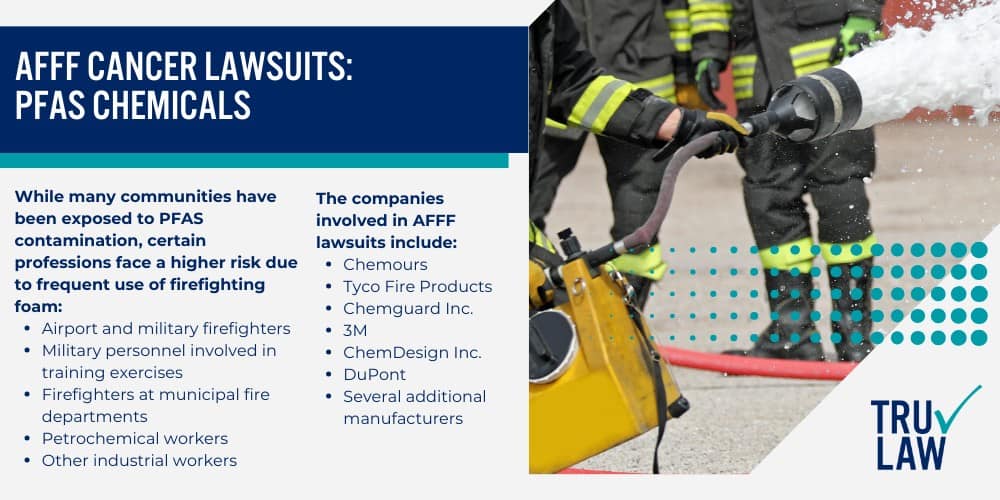
The use of firefighting foam containing toxic PFAS chemicals has been associated with a higher risk of developing liver cancer.
Numerous research studies, including one conducted by the National Cancer Institute, have found that these “forever chemicals” raise the likelihood of developing various cancers.
Researchers at the University of Southern California have also identified a connection between PFAS exposure and non-alcoholic fatty liver disease — one of the primary risk factors for liver cancer.
In this study, researchers analyzed prediagnostic blood samples for six (6) different PFAS types and identified a significant association between perfluorooctanesulfonic acid (PFOS) and an increased future risk of cancer.
The study noted that people in the 90th percentile for blood PFOS levels were 4.5 times more likely to develop hepatocellular carcinoma compared to others in the same region who had lower PFOS levels.
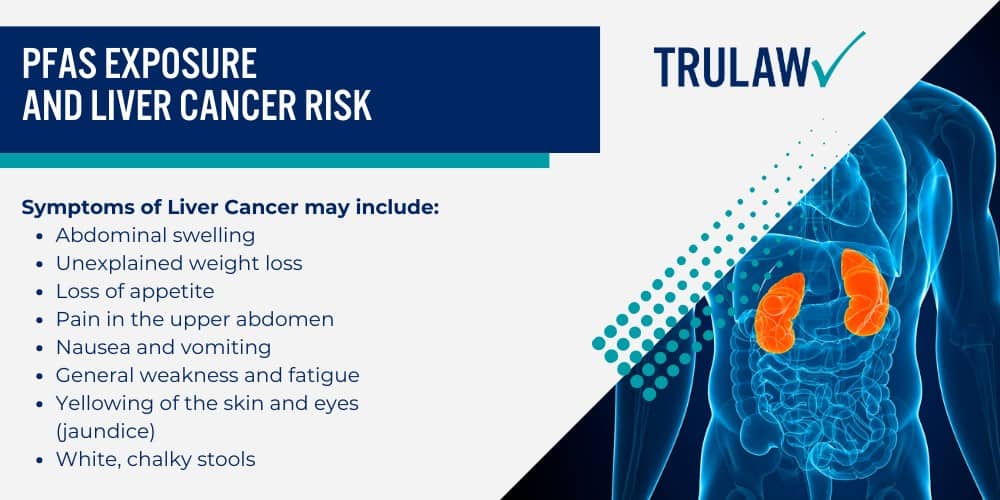
Symptoms of Liver Cancer may include:
- Abdominal swelling
- Unexplained weight loss
- Loss of appetite
- Pain in the upper abdomen
- Nausea and vomiting
- General weakness and fatigue
- Yellowing of the skin and eyes (jaundice)
- White, chalky stools
The primary types of adult primary liver cancer are hepatocellular carcinoma and bile duct cancer, also known as cholangiocarcinoma.
Ongoing Research on PFAS Chemicals and Their Cancer Links
The link between PFAS exposure and cancer is deeply concerning, and further research is necessary to fully comprehend the long-term health impacts of these chemicals.
Studies have increasingly shown that exposure to certain PFAS chemicals, such as PFOA and PFOS, is associated with a higher risk of cancer:
- International Agency for Research on Cancer (IARC): Classified PFOA as a possible carcinogen and PFOS as possibly carcinogenic to humans.
- Journal of the American Medical Association: Revealed a correlation between PFOA exposure and increased risks of kidney cancer, testicular cancer, and ulcerative colitis.
- International Journal of Cancer: Found a positive association between PFOS exposure and breast cancer.
- U.S. Environmental Protection Agency (EPA): Issued a health advisory for PFOA and PFOS, stating that long-term exposure to these toxic chemicals above certain levels may pose serious health risks.