Anxiety disorders encompass a range of mental health conditions that can be debilitating, impacting an individual’s ability to function in day-to-day life.
These disorders are recognized by the Social Security Administration (SSA) as potential grounds for disability benefits under Social Security Disability Insurance (SSDI), provided they meet certain stringent criteria.
Definition of SSDI Anxiety Disorder
Anxiety Disorder can make someone feel very scared, nervous, or worried even when there isn’t a big reason to feel that way.
These strong feelings of fear can happen all the time and can be so bad they make it hard for people to do everyday things like going to work or being with friends.
Doctors use special exams and questions to figure out if someone has Anxiety Disorder.
They check if the person’s symptoms match what’s listed in the Diagnostic and Statistical Manual of Mental Disorders (DSM-5).
This book helps doctors diagnose mental disorders by providing clear descriptions.
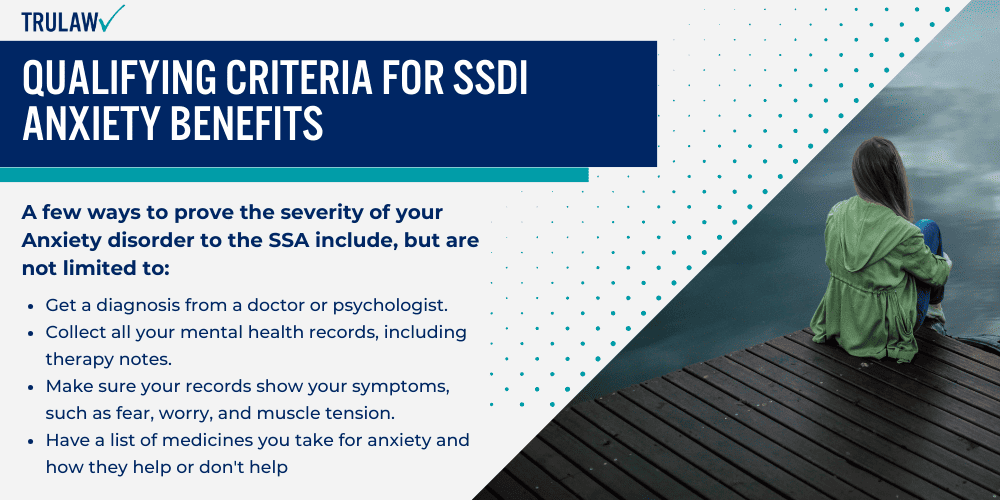
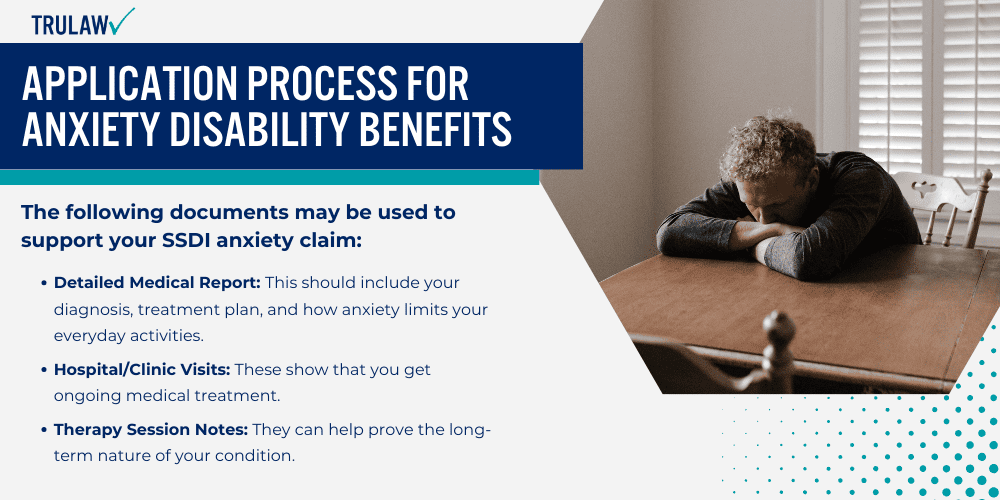
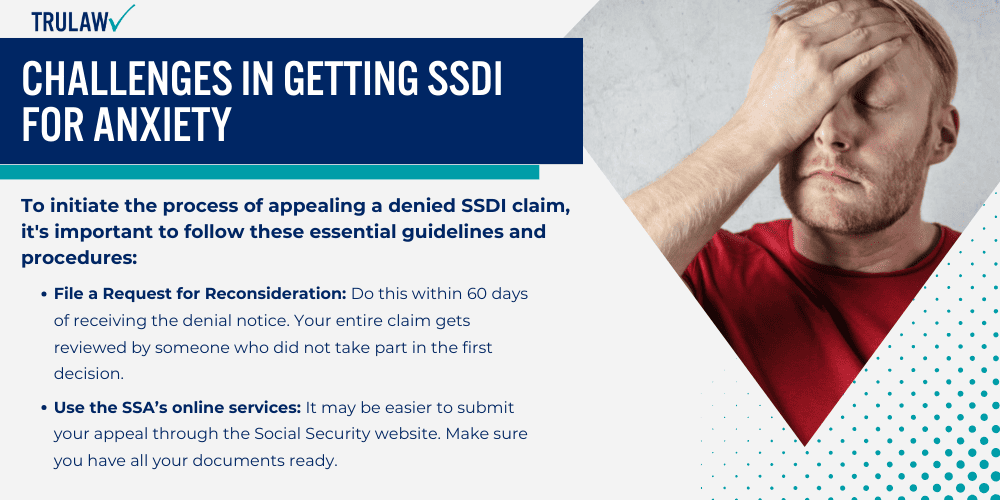
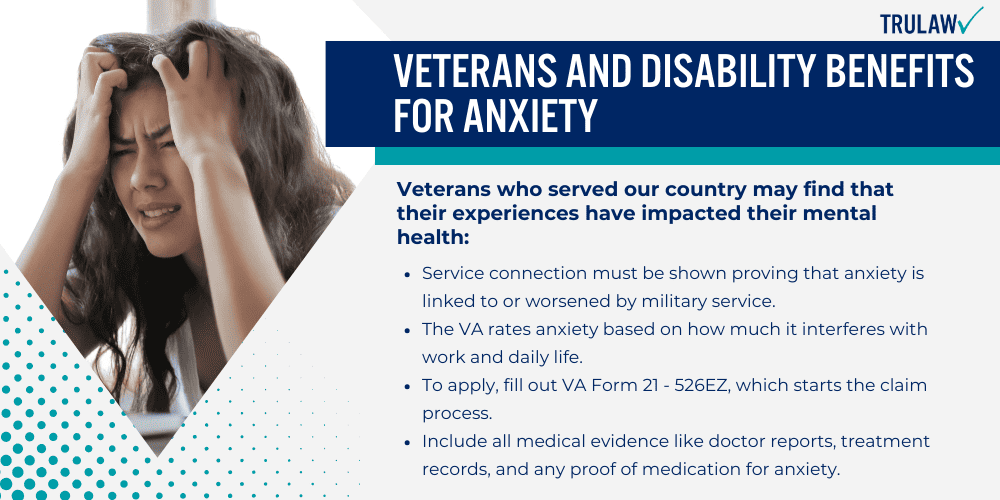
If anxiety stops someone from working for more than 12 months, they might get help from programs like Social Security Disability Insurance (SSDI), which offers disability benefits for long-term medical conditions.
Common Types of Anxiety
Anxiety comes in many shapes and forms.
It often makes everyday tasks feel overwhelming.
Common types of anxiety that may qualify for SSDI benefits include, but are not limited to:
- Generalized Anxiety Disorder (GAD): This is when a person feels worried about many things most of the time. They might expect the worst even when there’s no clear reason for concern.
- Obsessive-Compulsive Disorder (OCD): People with OCD have unwanted thoughts or obsessions that make them feel driven to do something repetitively, which are compulsions. They might check the stove 10 times to make sure it’s off.
- Panic Disorder: This one causes panic attacks—sudden feelings of terror when there is no real danger. Someone could have chest pain and think they’re having a heart attack, but it’s actually a panic attack.
- Phobias: A phobia is an extreme fear of something that poses little or no actual danger. Some people can’t be in small spaces or near spiders without feeling terrified.
- Social Anxiety Disorder: Also known as social phobia, this disorder involves overwhelming worry and self-consciousness about everyday social situations. A person might worry about being judged by others or embarrassing themselves.
- Post-Traumatic Stress Disorder (PTSD): After experiencing or seeing a traumatic event like war, abuse, or a disaster, someone with PTSD may have ongoing frightening thoughts and memories of their ordeal and feel emotionally numb.